
Load and equipment assessment
Weight, dimensions, centre of gravity, lifting points, duty checks and the right accessory for the load.
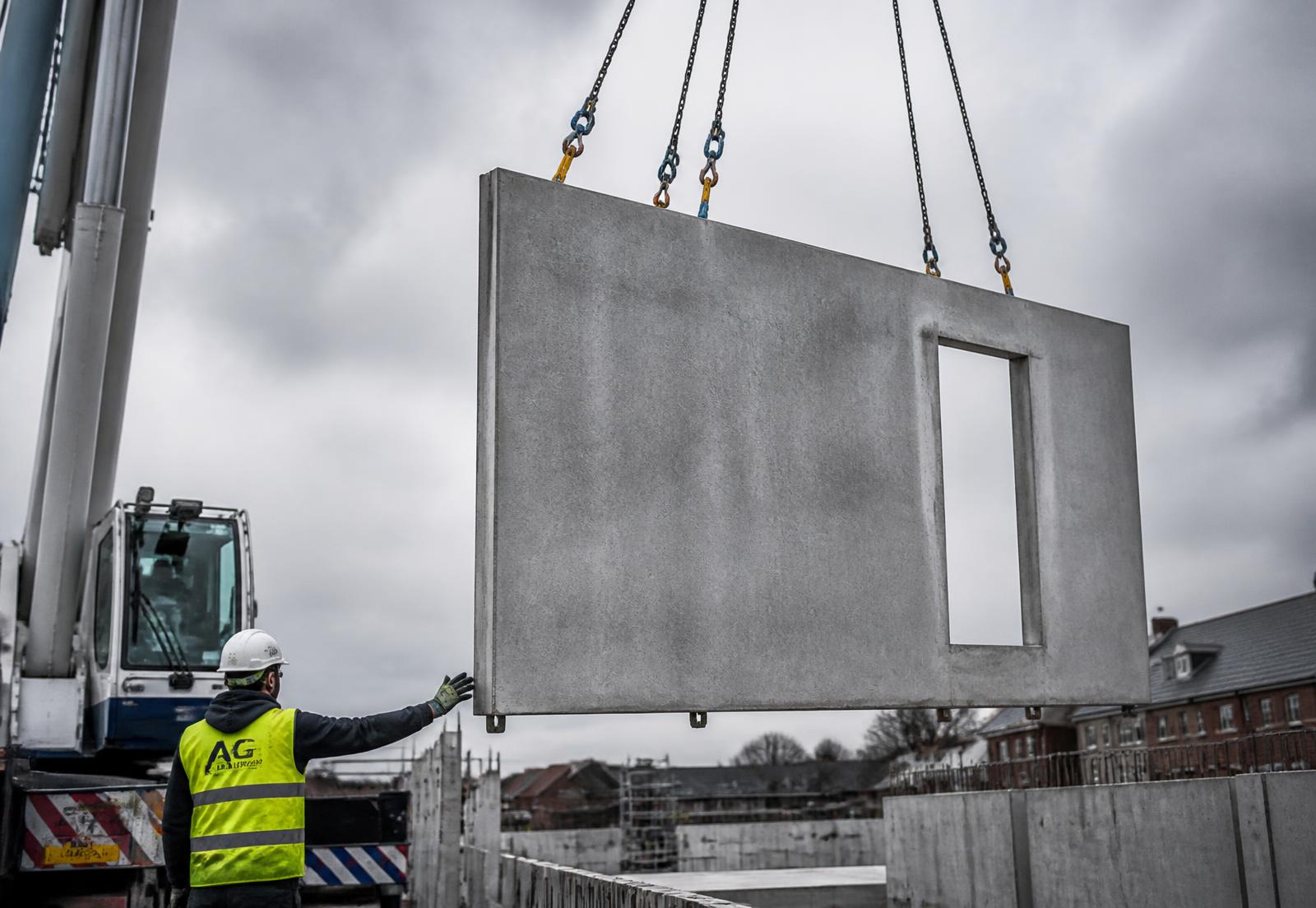
Lifting
Loads, accessories, sequence, exclusion zones and roles set down in writing before anything leaves the ground — for crane lifts, excavator object handling and everything in between.
LOLER 1998 requires every lifting operation to be properly planned by a competent person, appropriately supervised and carried out safely. A lift plan is how you evidence that: load data, equipment and accessories, sequence, ground and siting, exclusion zones, communications and roles. We write plans for routine and complex lifts, including excavator object handling.
Weight, dimensions, centre of gravity, lifting points, duty checks and the right accessory for the load.
Pick and set-down, machine siting, ground bearing considerations, services, access and exclusion zones.
Who plans, who supervises, who slings, who signals — and how they talk to each other during the lift.
Object handling with excavators: rated duties, quick hitch and accessory arrangements, and operator requirements.
Repetitive, low-risk lifts can be covered by a generic plan reviewed against the specific site. Complex lifts — tandem lifts, blind lifts, lifts over occupied areas, unusual loads, difficult ground — need to be planned individually and supervised accordingly.
We will tell you which category your lift falls into. If it needs an Appointed Person or a specialist we do not cover, we will say so rather than write a document that papers over it.
A lift plan is only worth having if the crew can follow it on the day. Ours are written in plain terms, with the sequence and the exclusion zones clear enough to brief from at the pick.
We can also support the site briefing so the people carrying out the lift have actually read and understood the plan they are working to.
FAQs
Tell us the course, the site or the problem. We will come back with options, dates and a straight answer.